

An early carry unwind offers a cleaner explanation for the sell-off than a sudden change in the Fed narrative.
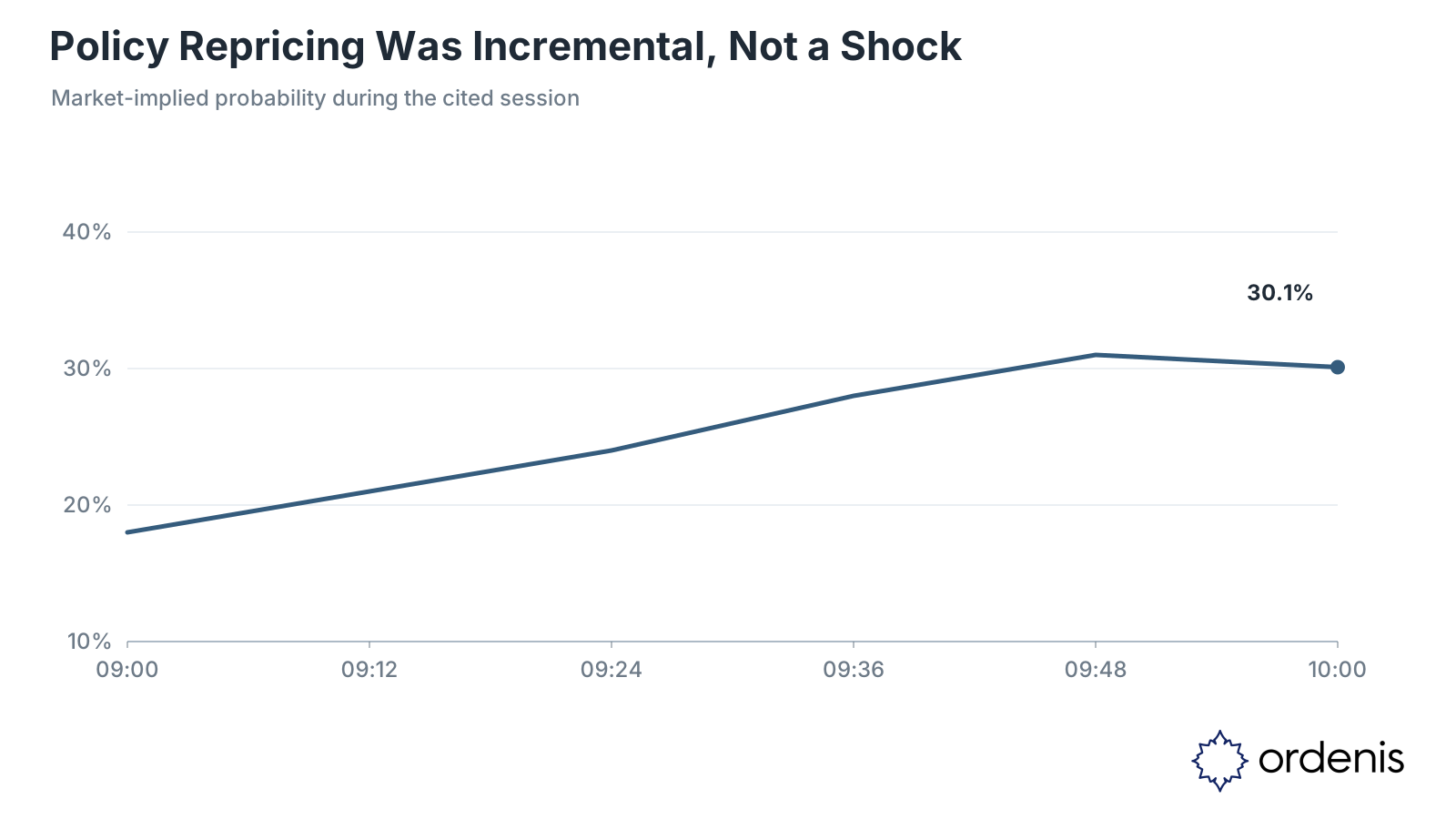
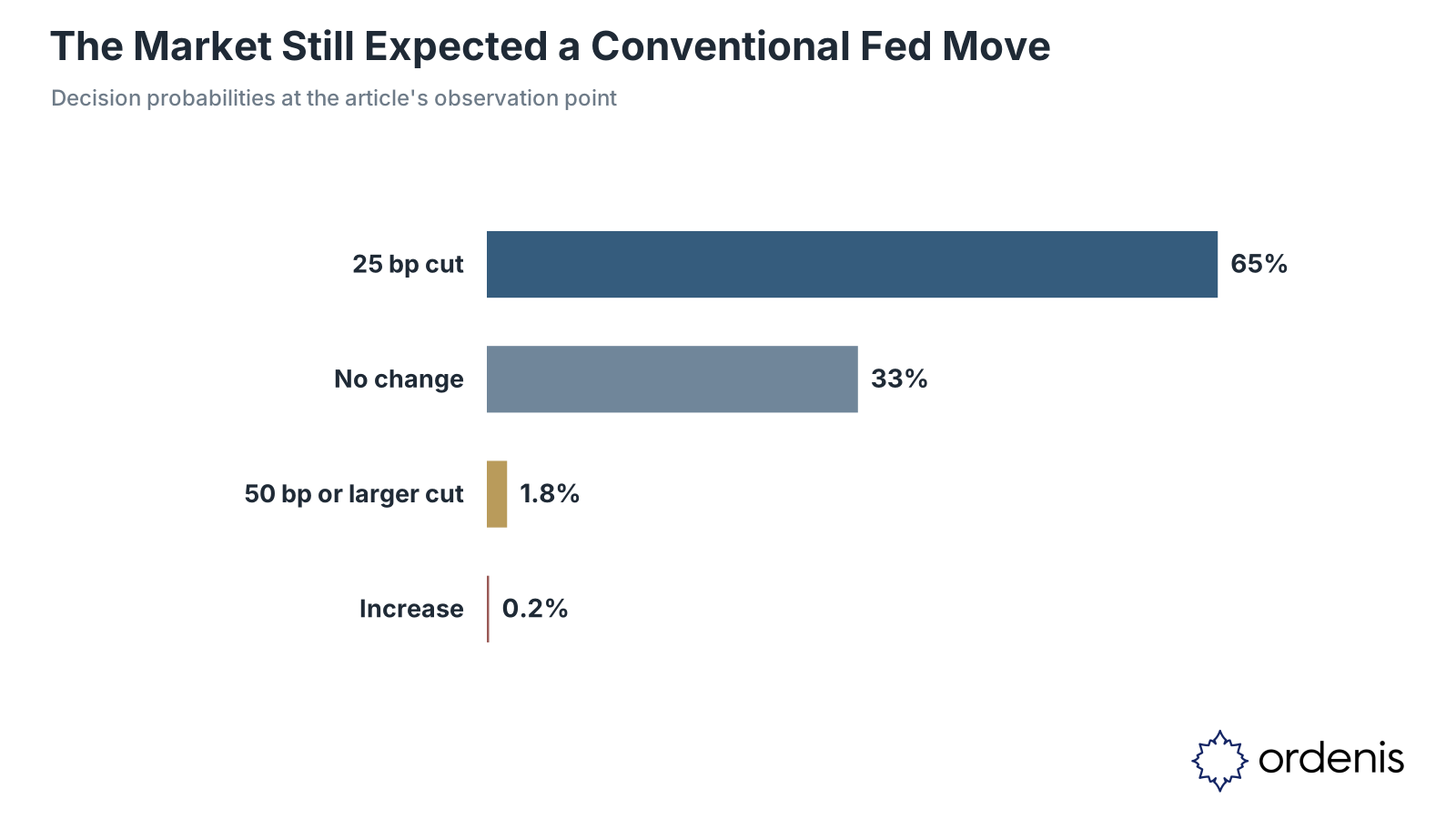
A common explanation was that the Federal Reserve had delivered a sudden hawkish surprise. That reading is incomplete. The FOMC minutes had already sounded hawkish and the market was pricing roughly a 70% probability of no December cut. That probability did not rise materially when Lisa Cook and other officials sounded hawkish on Thursday.
The sell-off began around 10:40 a.m. New York time. Non-farm payrolls and the unemployment rate, both released at 8:30 a.m. and initially above consensus, lifted the broad index by about 0.7%. A “goldilocks” reading that raises the chance of a soft landing does not by itself explain a liquidation that starts two hours later.
The funding trade
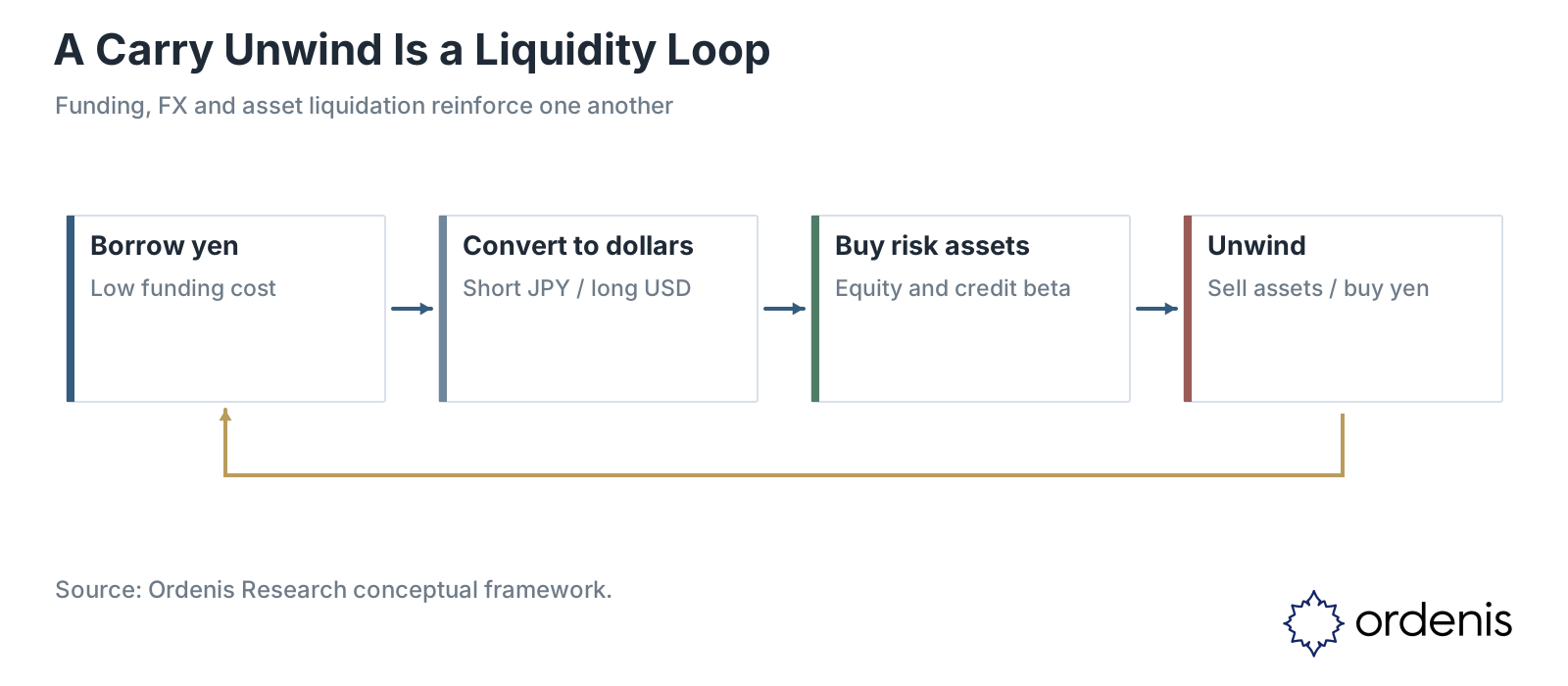
For more than a decade Japan maintained extremely low rates. The yen became one of the world's dominant funding currencies: investors borrowed yen near zero, exchanged it for dollars and bought U.S. equities, Treasuries and other assets. The trade earned the spread between cheap yen funding and dollar-asset returns.
The trade has two pressure points: higher yen funding costs reduce the carry, and a stronger yen cuts the value of foreign assets in yen terms. To unwind, investors sell dollar assets, buy yen and repay the loan. A steady stream of carry can turn into a liquidity shock when many positions need the same exit.
What changed in Japan?
Two developments mattered in the days around the move:
- A policy statement associated with Sanae Takaichi was interpreted by markets as a possible change to the existing policy mix.
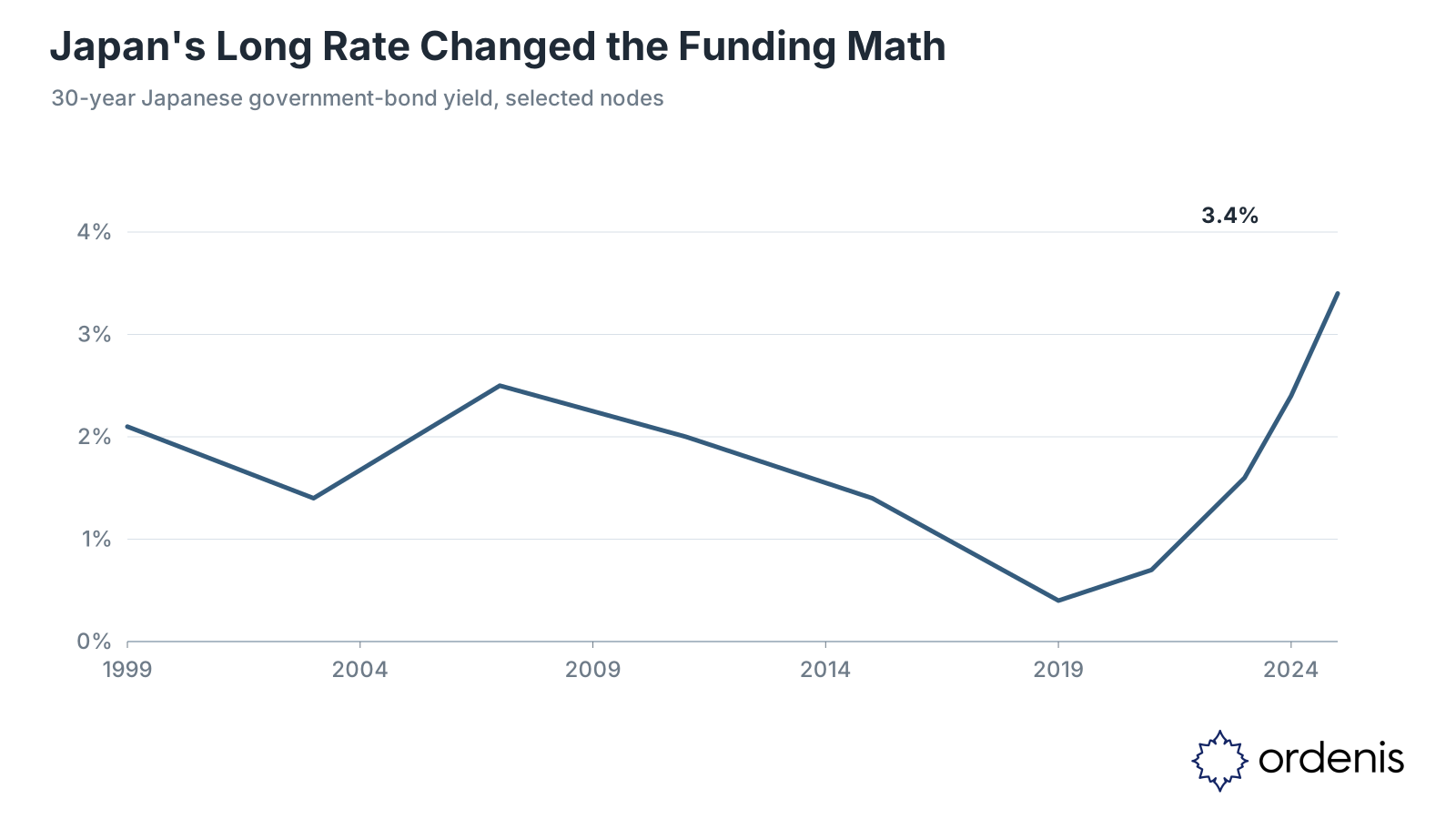
- Japanese government-bond yields reached new highs in the days around the sell-off, with the 30-year yield above 3.4%.
The yen does not explain every sale. It does provide a transmission channel that fits the timing better than a simple “Fed surprise.” When the funding currency strengthens, borrowed exposure is reduced first in the most liquid markets. U.S. equities and Treasuries become both collateral and exit route.
The early-stage signal is therefore about liquidity and positioning, not a definitive call on recession. Watch the yen, Japanese yields, funding spreads and the relative performance of the most crowded dollar assets together. If the currency reverses and borrowed exposure is reduced, fundamentals can look unchanged while prices move a long way.