

Gold led the major asset classes for two consecutive years, while a broader commodity theme developed alongside AI. 2025 Annual Notes: What Changes, What Does Not set out the 2026 allocation framework; this second note focuses on the commodity sleeve—precious metals, industrial metals and energy.
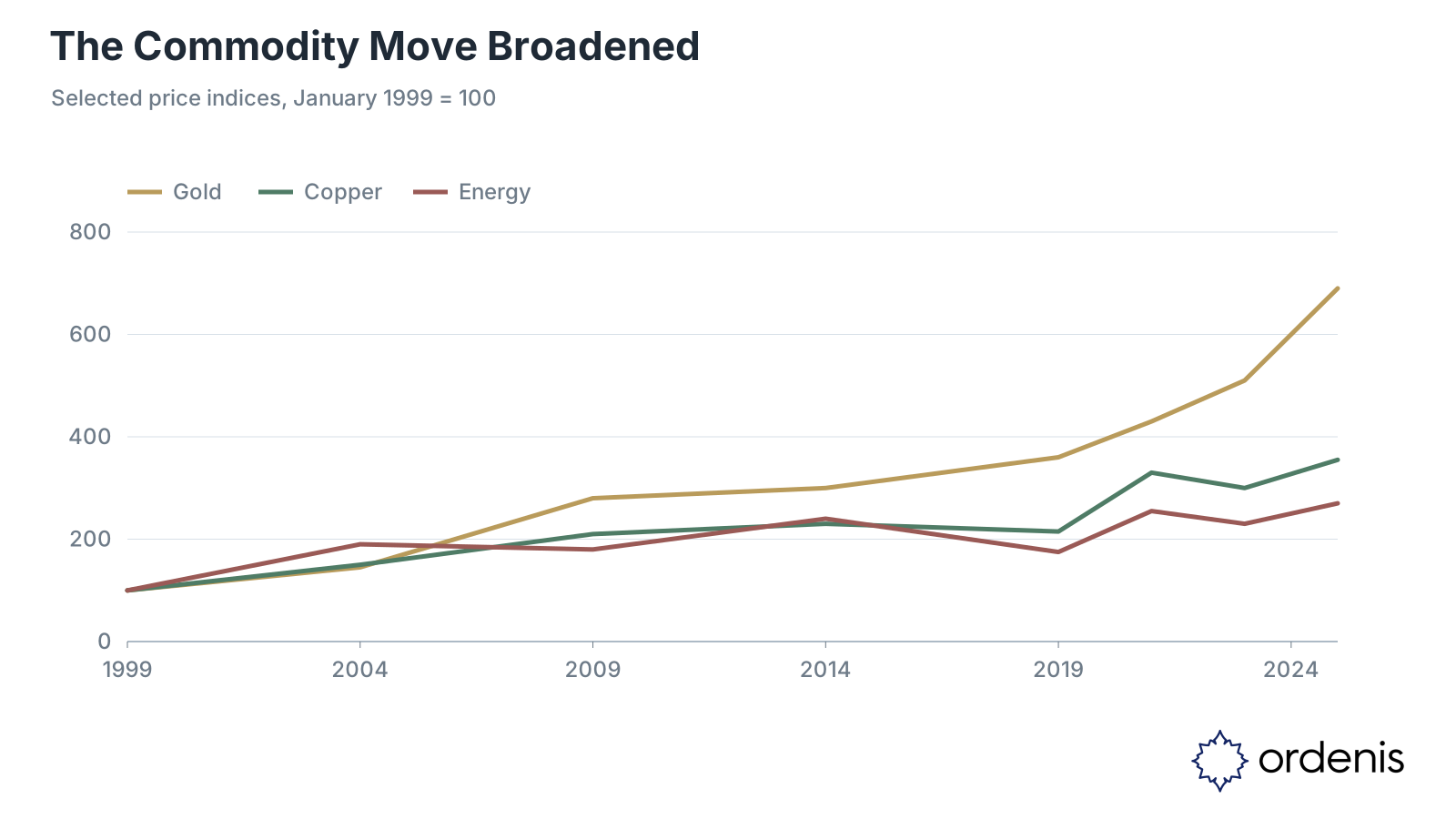
Michael Hartnett's team at Bank of America described commodities as a classic 2026 “run-it-hot” trade driven by growth, easier policy and inflation. Oil and energy had been under-owned for years, while silver had outpaced gold. Mining equities are one way to express the theme, but their returns add company, operating and financing risk.
The logic has six parts.
1. Demand: AI meets the energy transition
Data-center load growth is increasing the need for grid investment in some markets. Electric-vehicle penetration adds demand for copper, aluminum and other resource metals. This is not only an inventory cycle. A recovery in producer prices in both China and the United States would add a second source of demand in 2026.
2. Supply: capex has been too low for too long
Long project lead times and recent capital discipline have constrained near-term supply growth in several commodities. Environmental approvals, permitting and compliance can lengthen the time from discovery to production. New supply is therefore slow and expensive, while disruption risk remains high; cost curves vary by mine and jurisdiction.
3. Geopolitics: commodities are also reserves
Gold, lithium, rare earths and copper combine an economic use with a security function. Energy has the same dual character. Export controls and sanctions can shift pricing away from “cost plus efficiency” toward stockpiles plus security. A higher price can partly compensate suppliers for supply-chain and geopolitical risk.
4. Capital: real assets replace part of the bond hedge
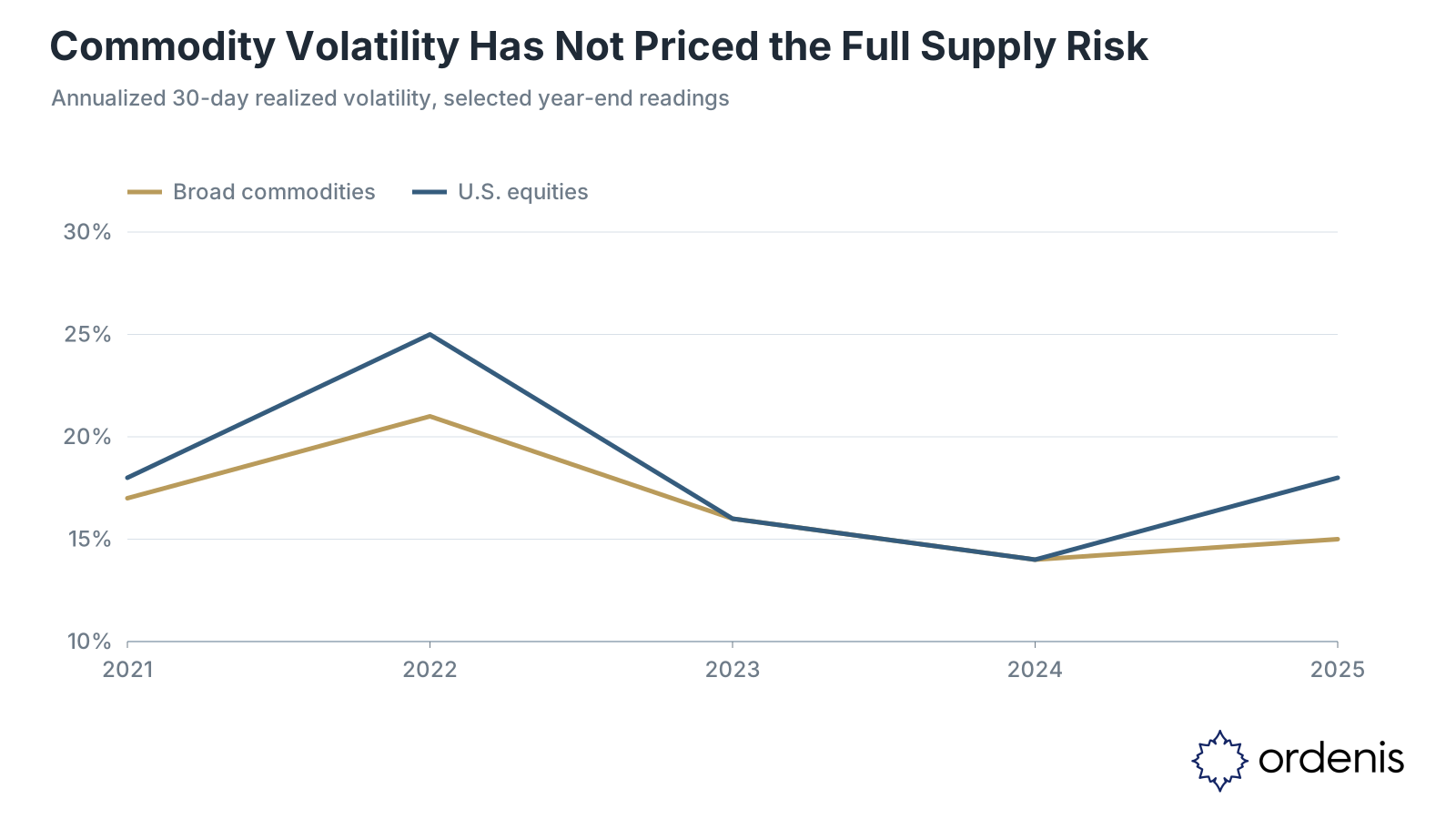
Persistent deficits and debt have coincided with stock–bond correlation moving back toward positive territory. Bonds can be less reliable as a hedge against fiscal or inflation shocks, which increases the value of evaluating real assets as diversifiers. The position is not a claim that every commodity must rise.
5. Policy: a reflation catalyst
Tariffs, tax cuts and a push to rebuild manufacturing directly raise domestic demand for energy and metals. Trade barriers also increase costs. The policy mix can act as a cyclical accelerator for a commodity bull market even when the long-run supply story is unchanged.
6. Rates: cuts and a soft landing
At the time of writing, market pricing implied several rate cuts in 2026. Whether growth settles into a soft landing or slips toward stagflation, commodity returns remain sensitive to real rates, inventories and the dollar rather than automatically outperforming long-duration nominal assets.
Energy: when the short thesis stops working
Oil held above prior lows even as policymakers emphasized lower energy prices to contain inflation. That persistence is evidence against treating spare capacity as a one-way price forecast. The relevant risk–reward depends on demand, supply, inventories and OPEC+ discipline.
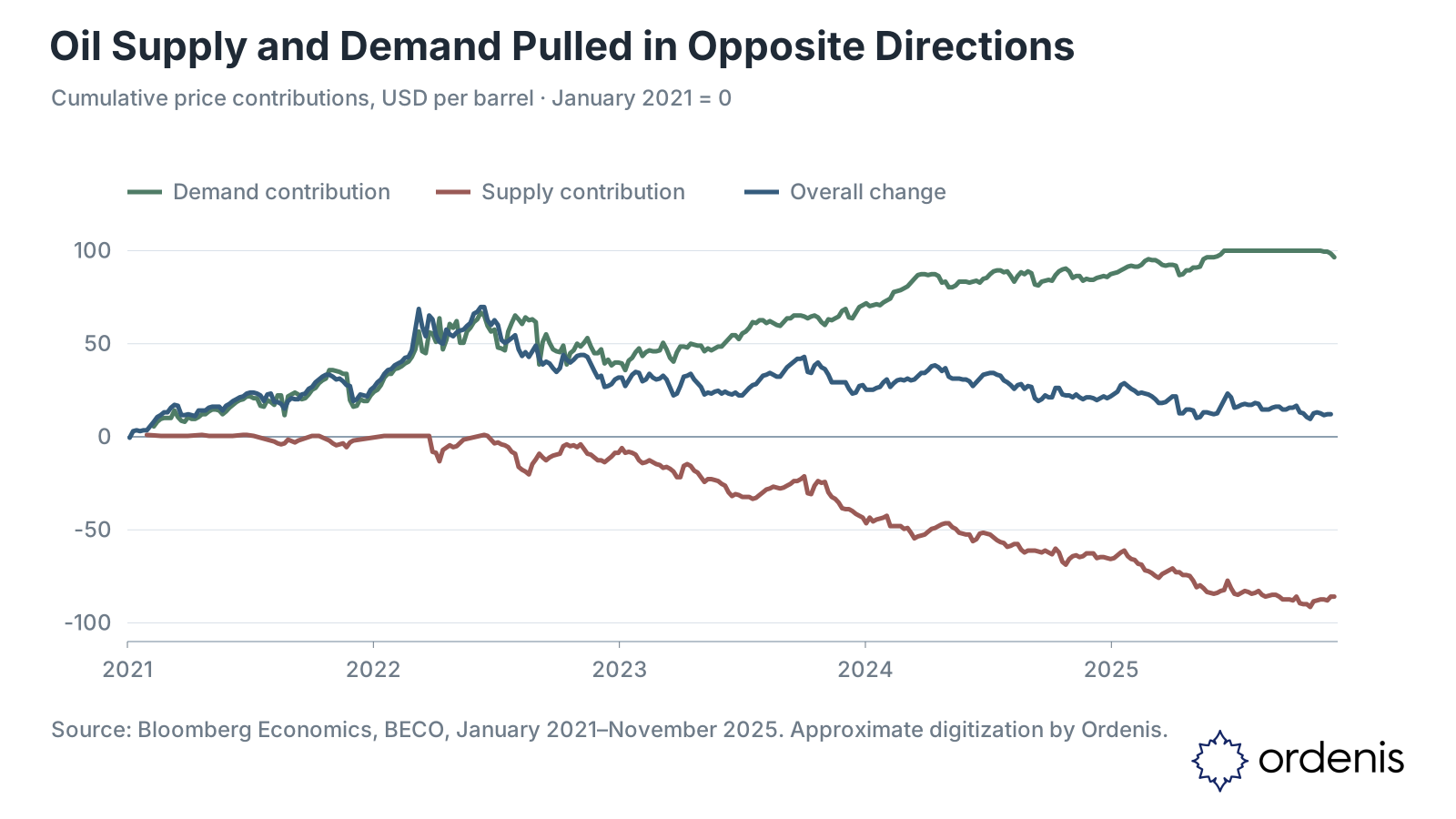
Spare capacity alone does not determine oil prices. The chart separates the price effects of supply and demand: additional supply weighed on oil even as demand recovered. The next question is whether supply growth is approaching a peak. If it is, the medium-term balance becomes more supportive of oil and the broader energy complex.
The commodity thesis requires demand to remain firm while supply stays slow, strategic and expensive. Gold led the early phase. Copper and energy become the confirmation that the move has broadened beyond a monetary hedge.