

A single return tells us little about the process that produced it. Luck can imitate skill for a long time; skill needs a repeatable process, sensible constraints and enough observations to become visible. A return ranking is not a ranking of human ability.
Charles Ellis described professional investing as a loser's game because avoiding errors and unnecessary costs often matters more than occasional brilliance. The practical edge is to control what can be controlled, then let a favourable process compound.
1. Process is better evidence than result
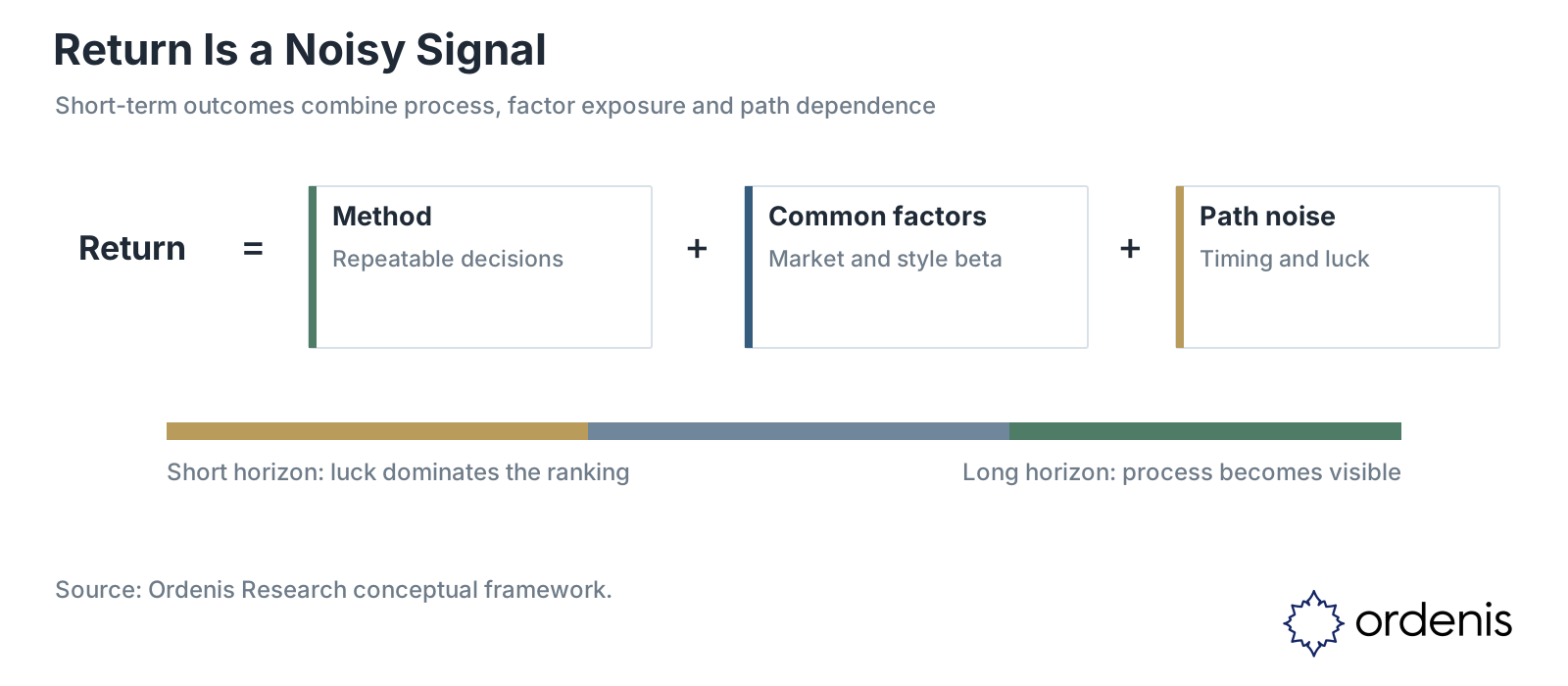
Every return combines method, common factors and path noise. Price appears every moment; causal explanation does not. A gain may come from genuine alpha, market beta, liquidity or crowding. A loss may expose a broken method—or simply a mismatch between the holding period and the path.
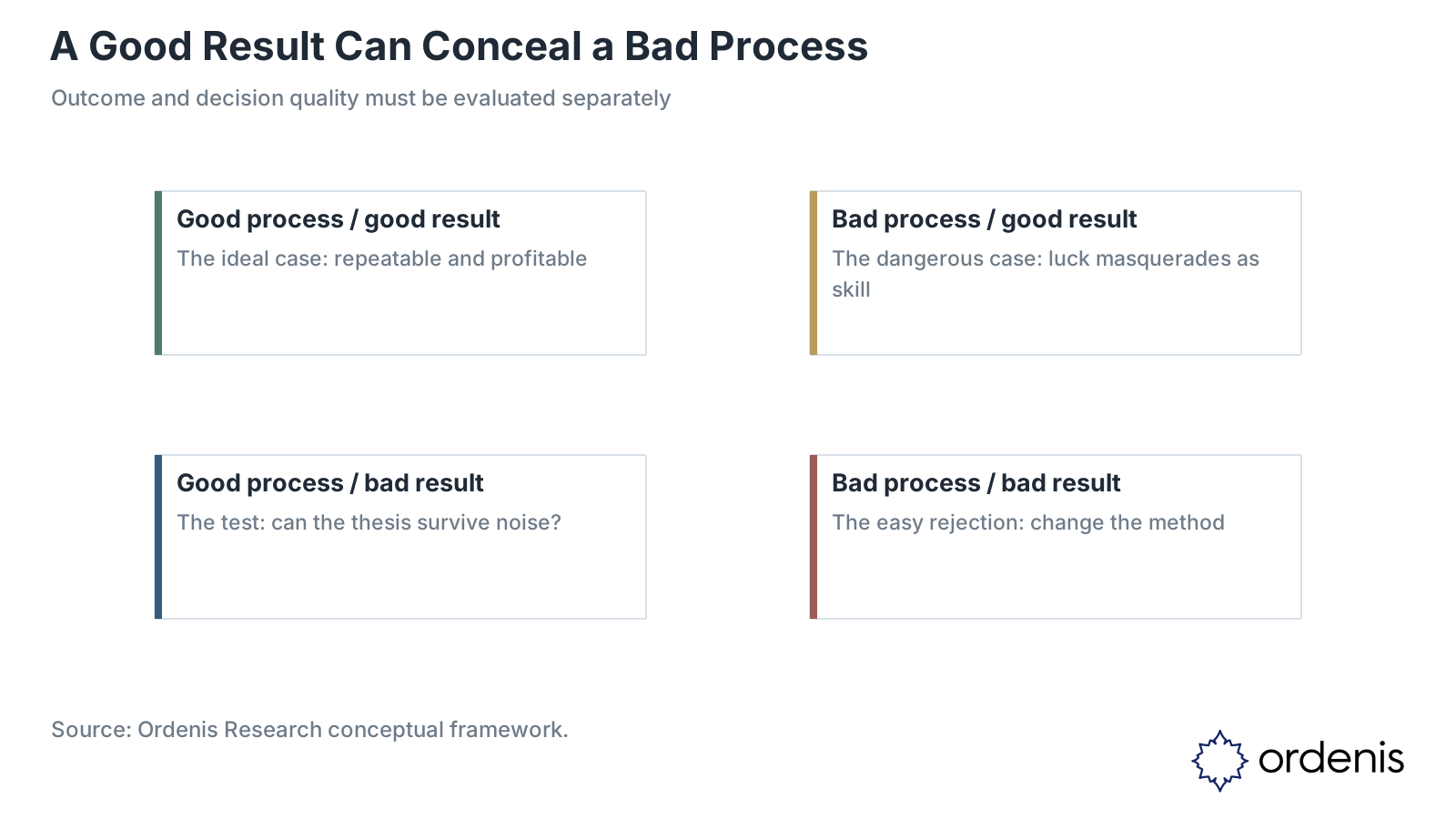
The most dangerous quadrant is a bad process with a good result. Weak research, loose risk limits and an oversized position can look like skill after a few wins. Profits hide the flaw, confidence grows and risk accumulates until the next loss exposes it.
Good process with a bad result is harder to endure but more useful to study. The right question is not whether the account is green or red. It is whether the hypothesis has been falsified and whether the deviation remains inside the tolerance defined before the trade.
2. Better markets can produce noisier rankings
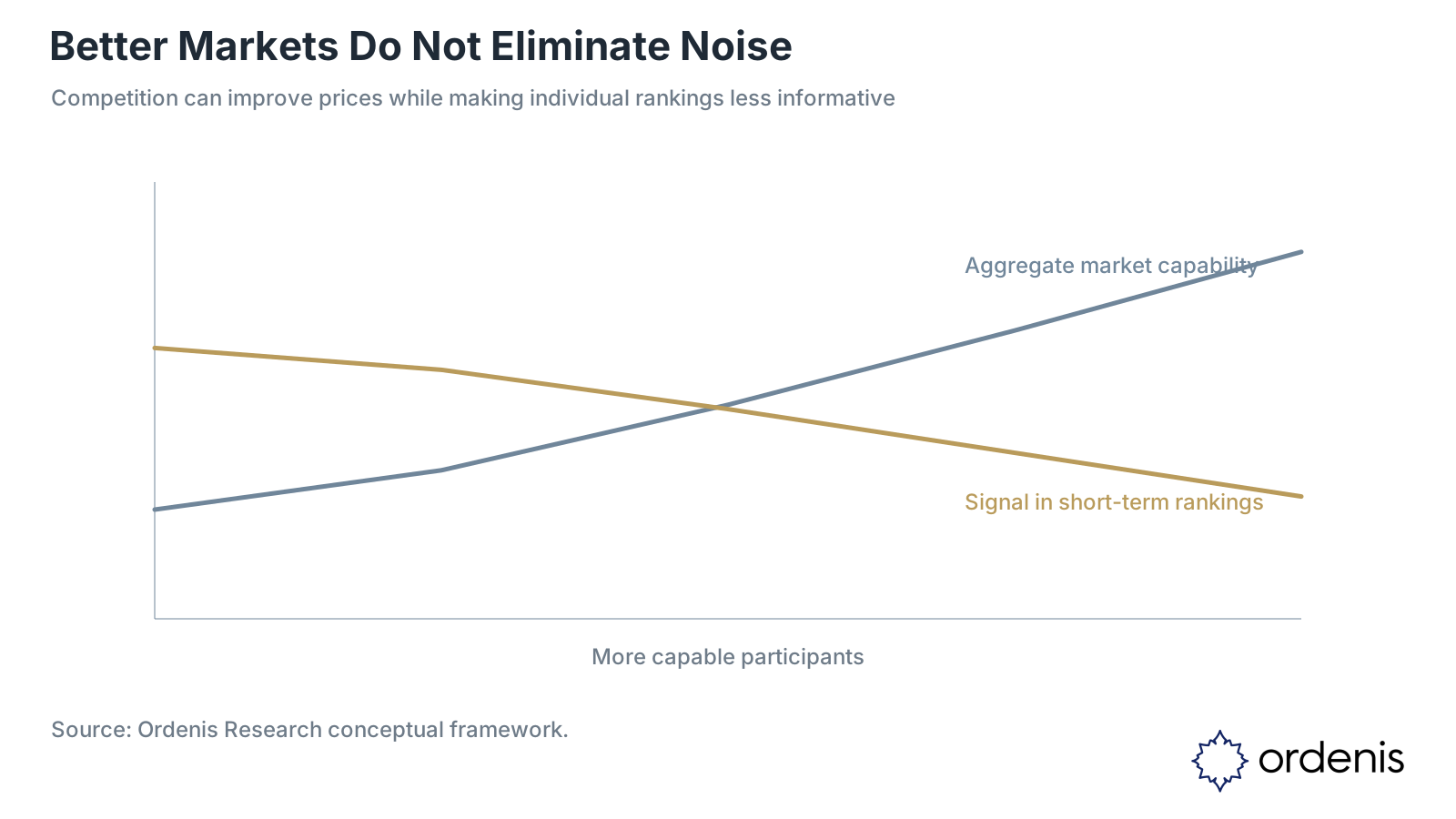
As data, execution and risk controls improve, the average participant becomes more capable. Prices can become harder to beat even as short-term rankings become less informative. A small difference in timing, liquidity or crowding can decide a quarter without saying much about the underlying process.
Staying in the game and winning the latest period are different problems. Survival requires research discipline, execution quality, risk control and organizational constraints. A leaderboard also contains the luck of the path and the structure of the opposing trade.
3. Long-term correctness must be holdable
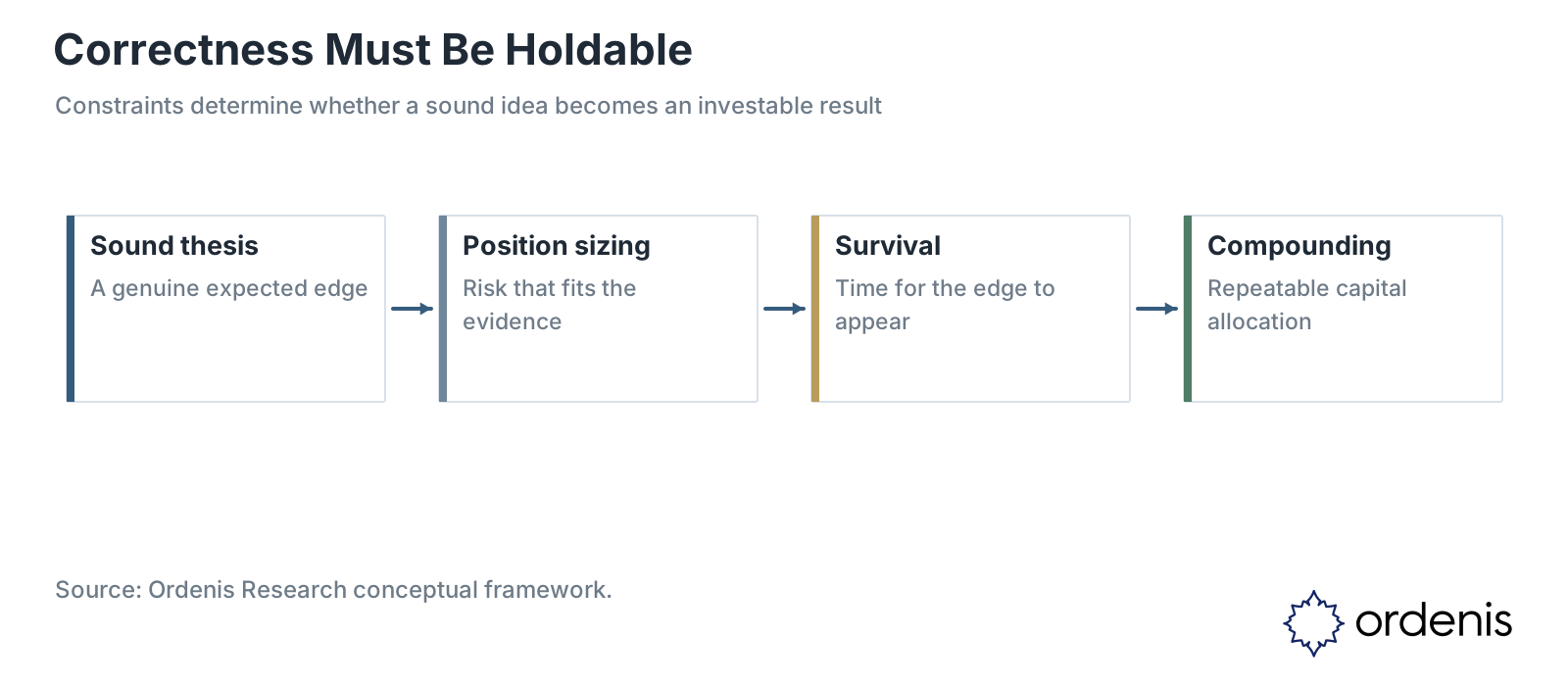
A long-run premium can disappear for a decade. Whether the strategy survives depends on liabilities, financing, redemptions, mark-to-market rules, rebalancing and the organization's tolerance for drawdown. A correct thesis that cannot be held is not an investable thesis.
4. The visible winners are a selected sample
We observe the managers and strategies that survived. Failed paths disappear, making long-term winners look more common and more repeatable than they are. The longer the horizon and the higher the return threshold, the more severe that selection becomes.
A useful review has three questions: What produced this period's return? Is the original hypothesis developing as expected? If not, is the deviation still inside the risk budget? The result alone answers none of them.
Stay alive, keep the process explicit and let time reveal what the leaderboard cannot.