

AI can process an extraordinary volume of information. That does not make more information the source of advantage. The edge comes from returning to the right question long enough for a better answer to emerge.
Attention is the first allocation decision. It determines which facts enter the model, which patterns become salient and which questions receive another pass. Belief interprets those inputs. Action tests the interpretation against the world. Feedback then changes what receives attention next.
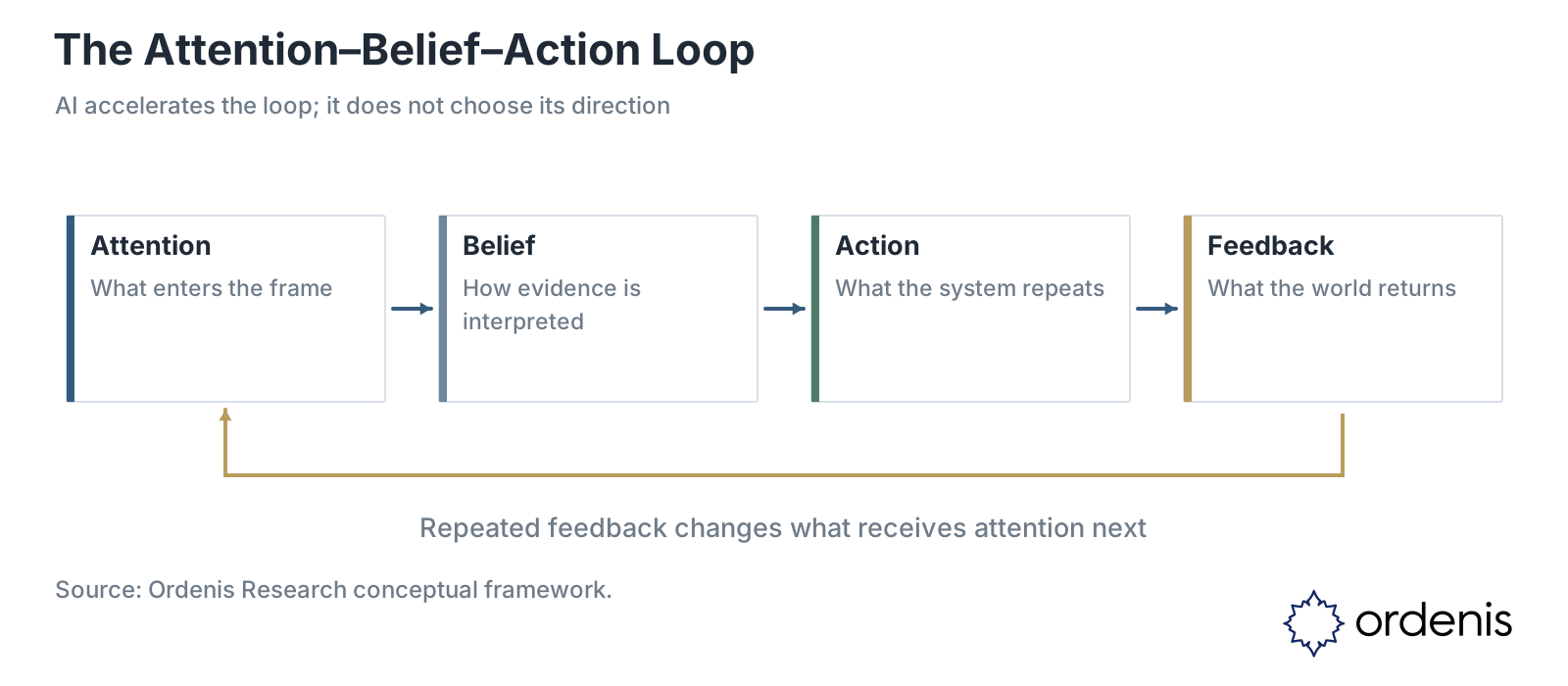
This loop compounds. A stable attention budget produces clearer explanations, cleaner decisions and better feedback. Fragmented attention produces shallow explanations, reactive decisions and more noise. Over time, the difference looks less like productivity and more like character.
Karma describes the imprint of action: repeated choices become habits, and habits shape how we meet the next situation. In research, that imprint lives in the questions we return to, the evidence we notice and the decisions that become second nature.
Attention also acts as a sampling mechanism. A model learns from its training set; a person builds a view of the world from what repeatedly enters awareness. Short-form video, emotionally charged news and market noise can tilt that sample toward instant feedback and constant stimulation.
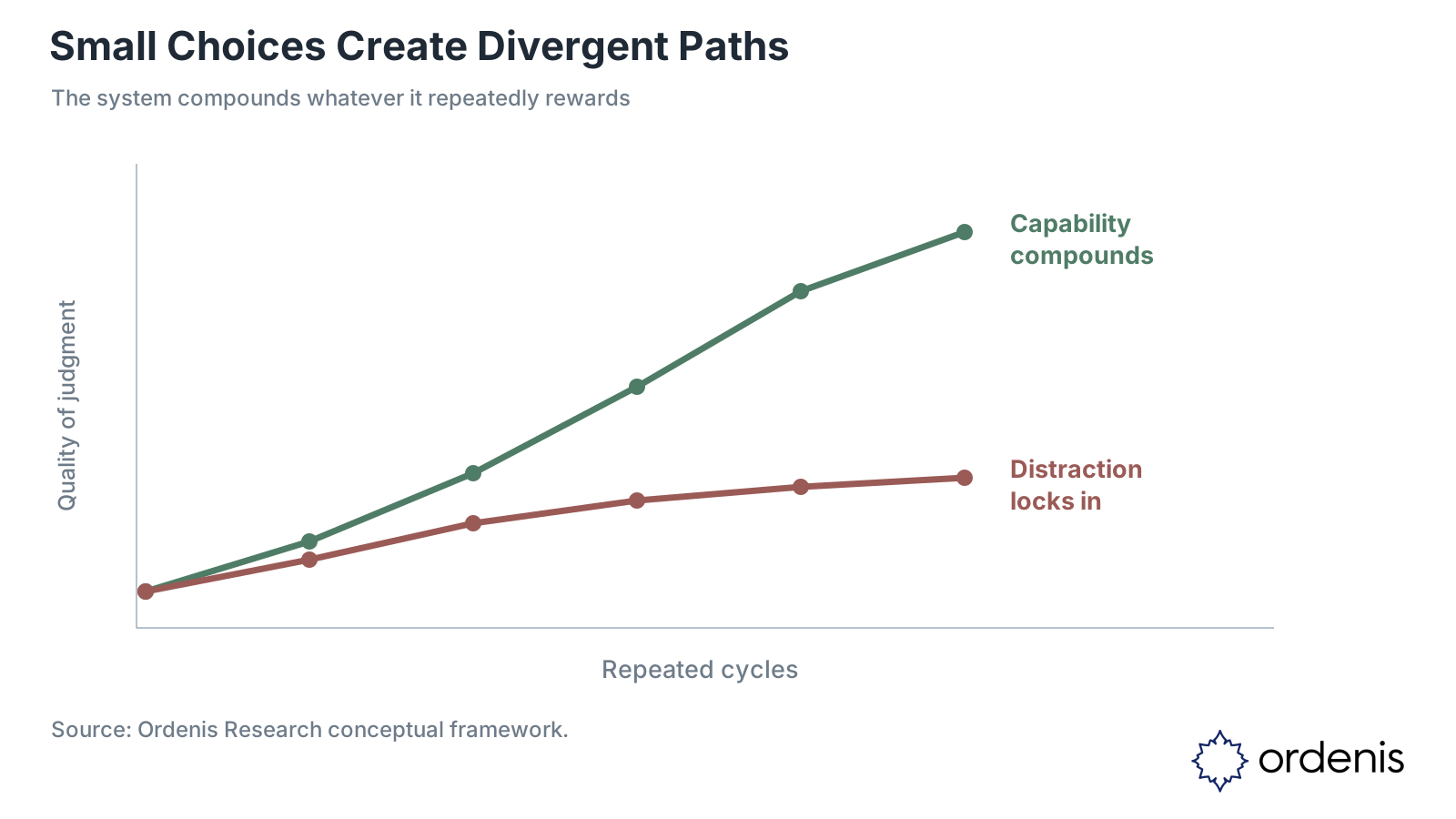
AI accelerates both paths. It can deepen a coherent research loop, or it can produce an endless supply of plausible distraction. The technology does not choose which one compounds.
What we repeatedly leave out matters as much as what we take in. The point is not to retreat from information. It is to choose the sampling process before the feed chooses it for us.