

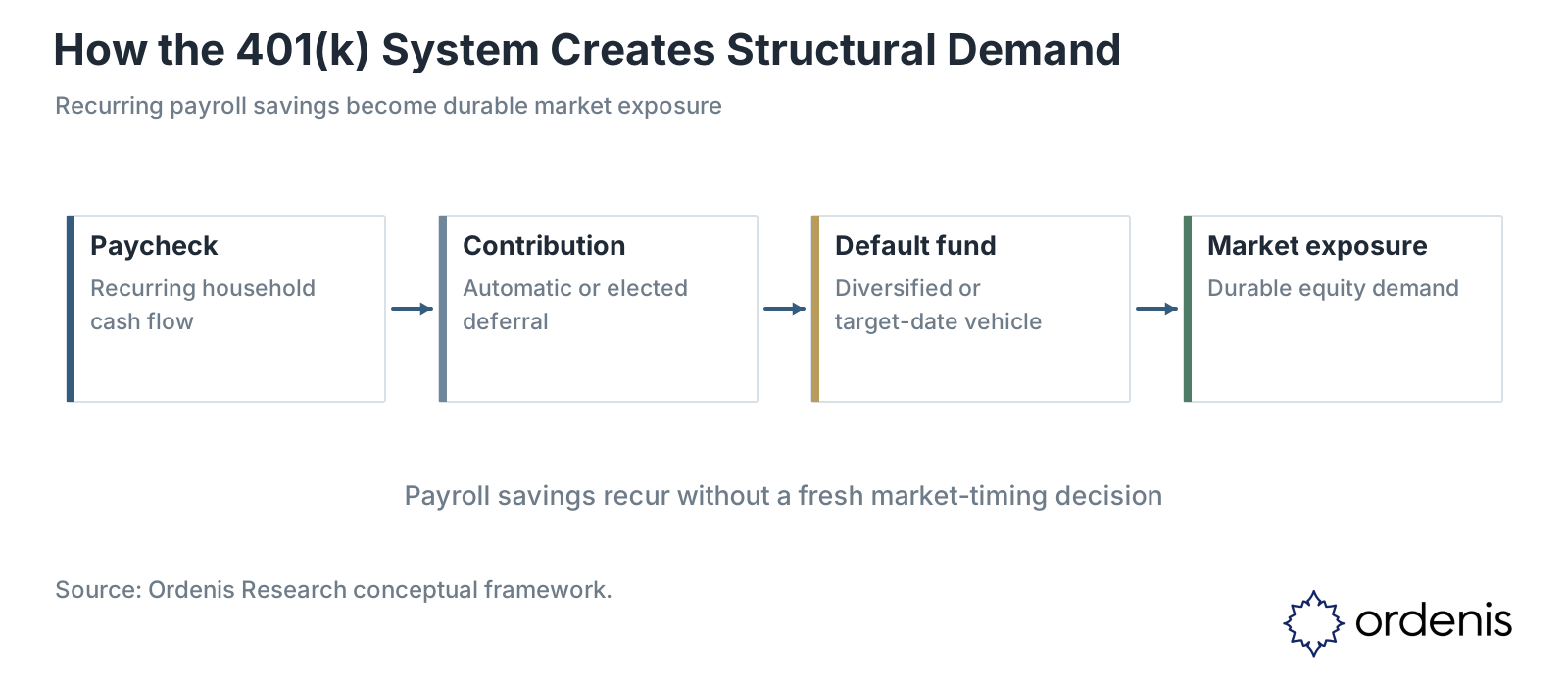
One underappreciated source of durable U.S. equity demand is the retirement system, which converts payroll contributions into recurring market flows. The mechanism operates through millions of workers who invest part of every paycheck.
Contributions arrive with payroll, default options route much of that cash into diversified funds, and long holding periods keep a large share invested in equities. Payroll arrives on a schedule; the market does not. That recurring flow is the mechanism worth understanding.
What is a 401(k)?
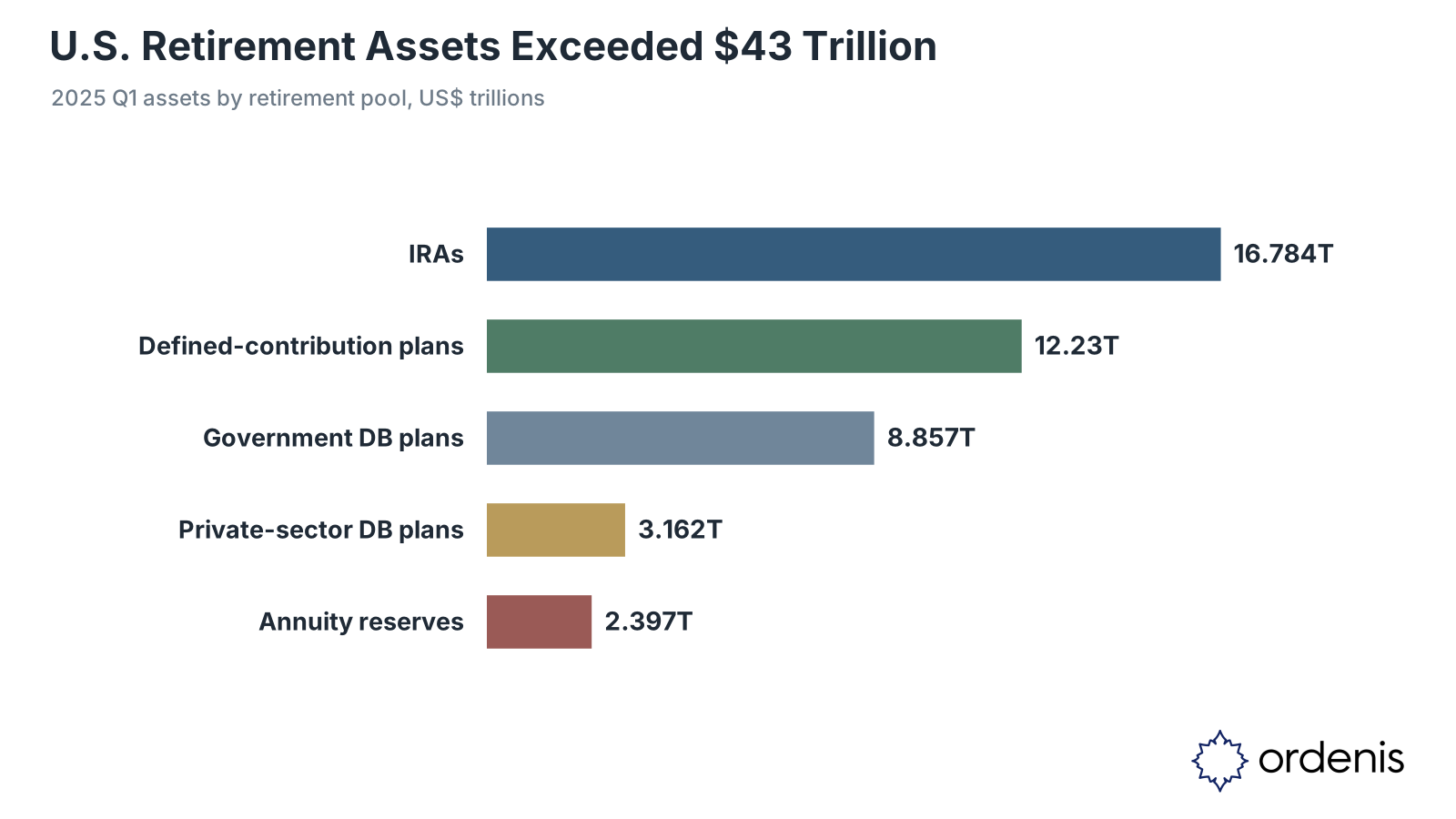
A 401(k) is an employer-sponsored retirement account whose assets are invested in public markets. The broader U.S. retirement system includes individual retirement accounts (IRAs), defined-contribution plans, defined-benefit pensions and annuity reserves. IRAs are the largest pool, but much of that balance originated as a rollover from a 401(k). Defined-benefit plans are concentrated among public employees, while annuity reserves sit with insurers.
The 401(k) matters because it is the dominant employer-sponsored defined-contribution plan in the United States. It is voluntary: employers choose whether to offer it and employees choose whether to participate. Traditional contributions reduce current taxable income, investment gains are tax-deferred, and the account can hold equities, bonds, mutual funds and ETFs. When a worker changes jobs, the balance can move to an IRA or a new employer plan.
Vanguard's 2025 How America Saves report placed the average employee deferral rate at 7.7% and the average total contribution rate, including employer contributions, at 12.0%. The scale matters more than any one year's return: a broad payroll channel repeatedly converts labor income into financial assets.
Born in a crisis
Congress established the 401(k) provision in the 1978 Revenue Act. The plan was implemented in 1981, when the United States was dealing with high inflation, weak growth, rising unemployment and heavy government debt.
The existing Social Security system was pay-as-you-go: current workers financed current retirees. Population ageing put pressure on that intergenerational contract. The combined employer–employee OASDI payroll-tax rate reached 12.4% in 1990; the full retirement age was gradually moved from 65 to 67.
The 401(k) offered a different design. It was fully funded, tax-advantaged and portable. The account's market exposure grew with each paycheck instead of relying on a promise from the next generation. Participation spread quickly, and investing in funds became ordinary household behavior.
A buyer that does not time the market
The defining feature of a 401(k) is its cash-flow behavior. It creates a recurring buyer whose flows are less sensitive to short-term market timing: contributions generally continue through pullbacks, high valuations and periods of volatility. The collective result is a persistent source of demand, although withdrawals, plan changes and allocation choices still matter.
The five largest U.S. retirement pools totalled roughly $43.4 trillion in 2025 Q1. IRAs and defined-contribution plans accounted for the majority. At that scale, retirement accounts are not a marginal buyer; they are part of the market's plumbing.
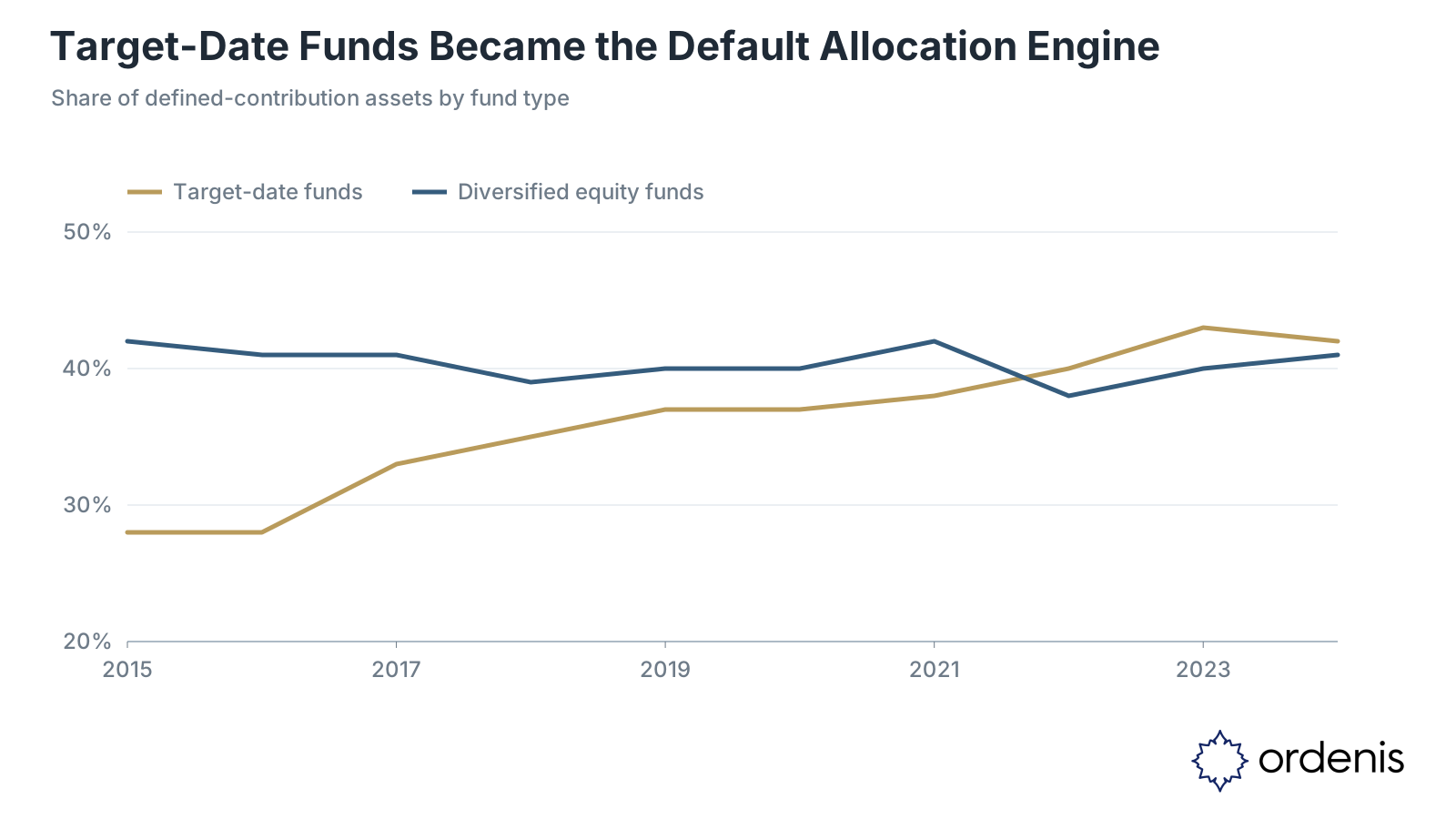
Target-date funds are the clearest example of the mechanism. Their share of 401(k) assets rose from roughly 23% a decade ago to 41%. The fund automatically changes the stock–bond mix as the retirement date approaches, so the employee does not need to trade. Diversified equity funds add another 40% of exposure. Together they give the market an “indexing” rhythm: contributions arrive, withdrawals are limited and the equity share stays high for younger workers.
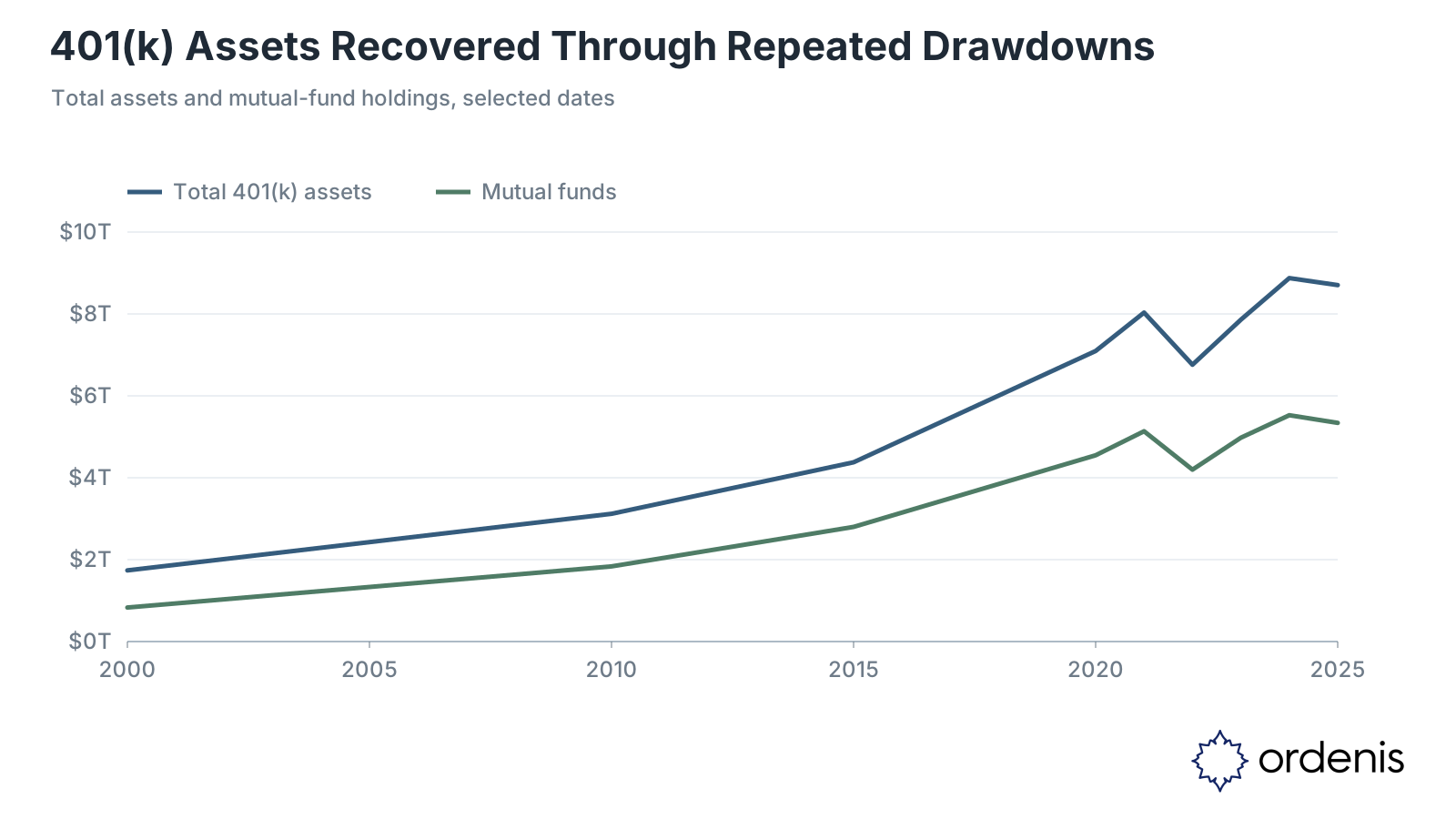
The 401(k) asset pool recovered through the 2020 and 2022 sell-offs. From 2020 to 2024 it grew materially, while mutual funds remained the core implementation vehicle. Around 95% of participants in the cited sample did not trade; fewer than 1% actively managed the account.
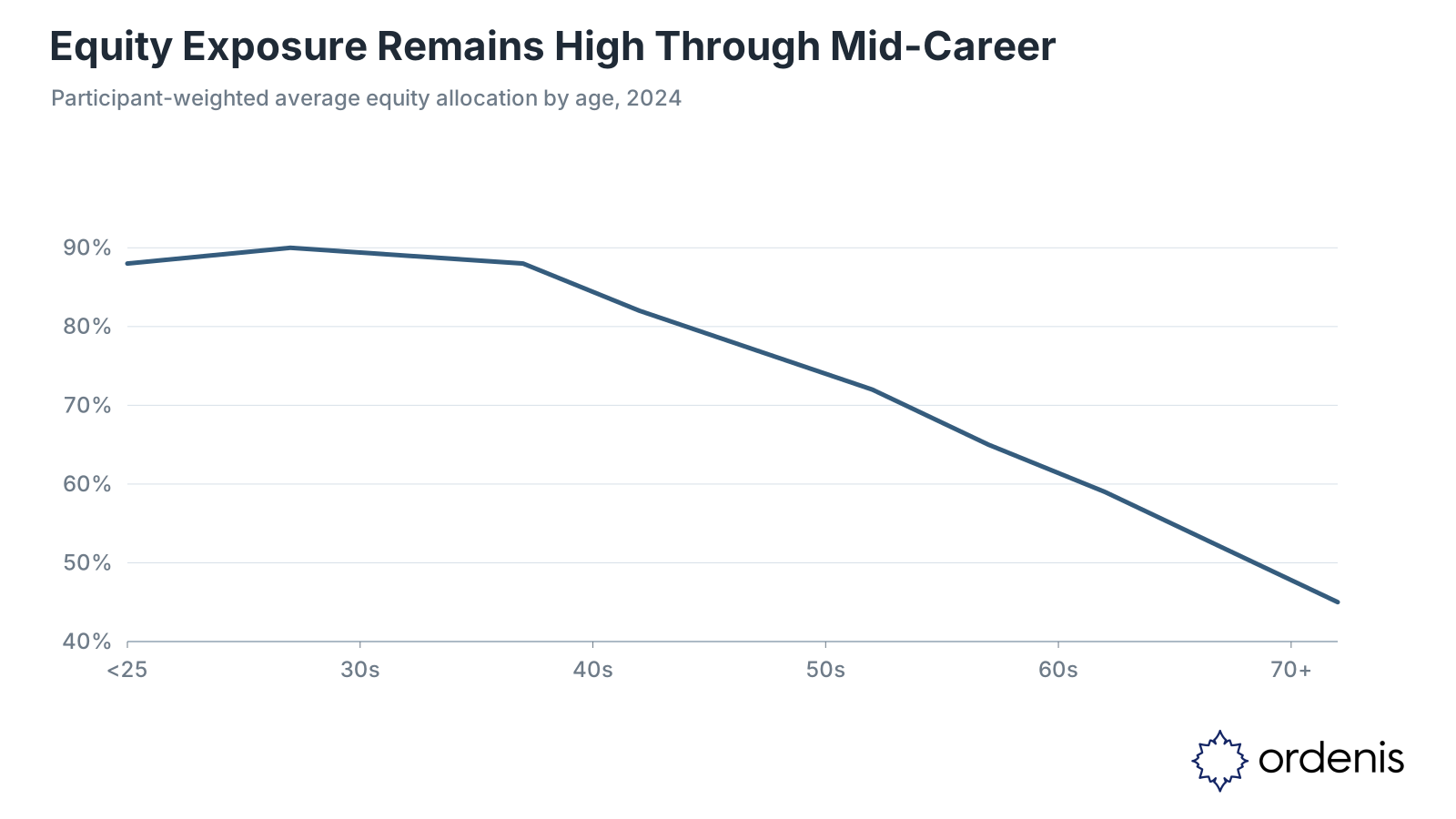
Equity exposure is highest among younger workers and remains substantial through mid-career. Auto-enrolment, automatic contribution increases and default target-date funds turn the process into an autopilot: as soon as a person starts work, part of the wage becomes a recurring market purchase.
What other markets can learn
The U.S. bull market was powered by a system: tax incentives created the flow, automatic enrollment made it persistent and funds provided the implementation. Vanguard's index mutual funds supplied the skeleton; the 401(k) supplied the mass of recurring contributions. Passive assets overtook active assets over roughly thirteen years.
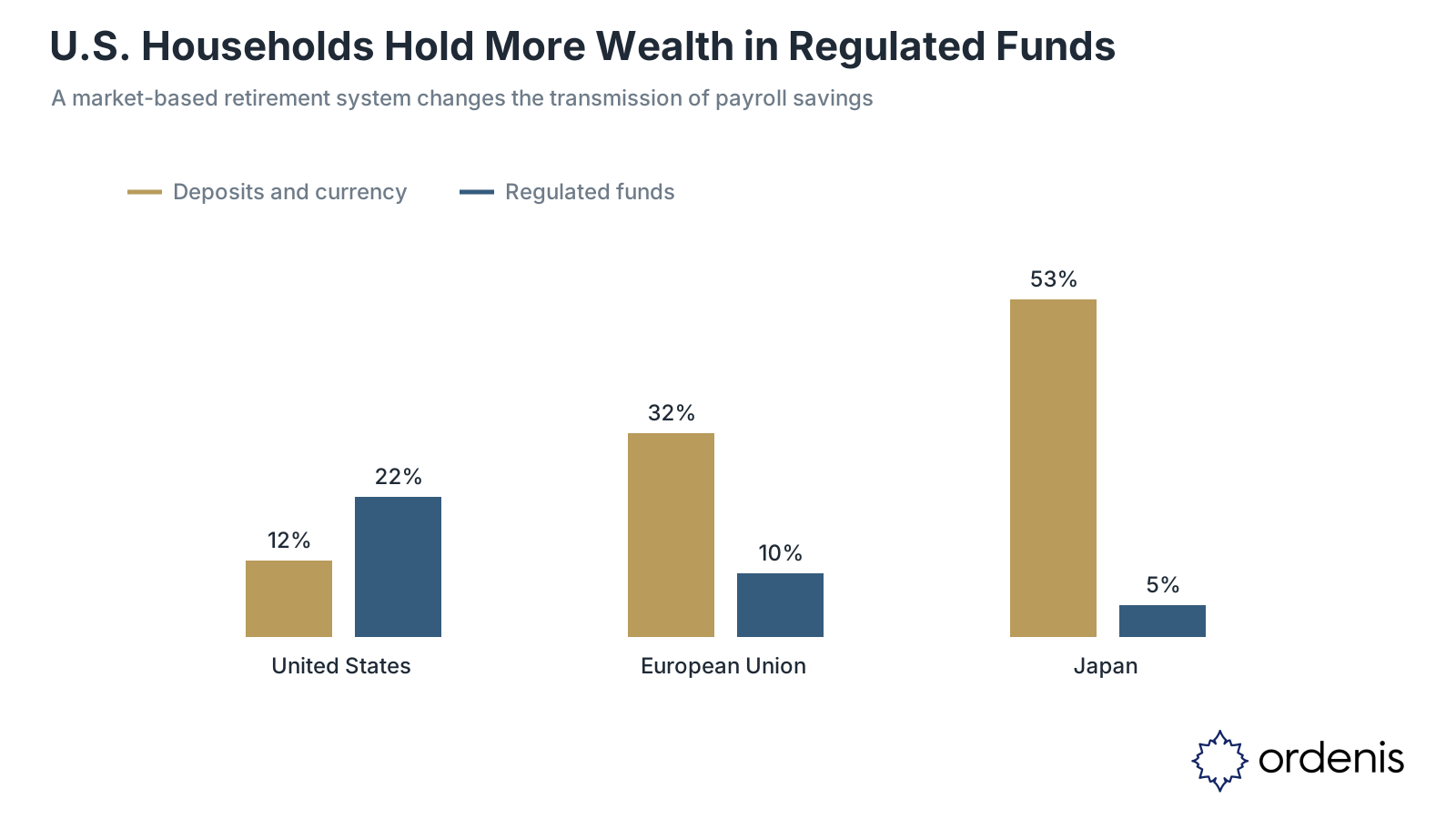
The result is not costless. Concentration and volatility can rise, while liquidity can fall. The mechanism nevertheless gives households access to market compounding and gives public companies a durable source of capital.
China's personal-pension system is still early. Tax advantages exist, but account balances, product choice and public trust have room to grow. Standardized, low-cost target-date tools are not yet as developed, and distribution incentives can keep good products away from savers. The institutional outline is already visible. A Chinese version of the 401(k) would make retirement saving a larger and more reliable part of the capital market.
The larger point is structural: a pension system can become the market's largest long-term buyer. Broad participation in retirement saving changes both household wealth accumulation and the way markets absorb drawdowns.